Anna Long · 8 October 2026
Examining How Fruit-Coral Hybrids Alter Nutrient Flows in Small-Scale Aquaculture Setups
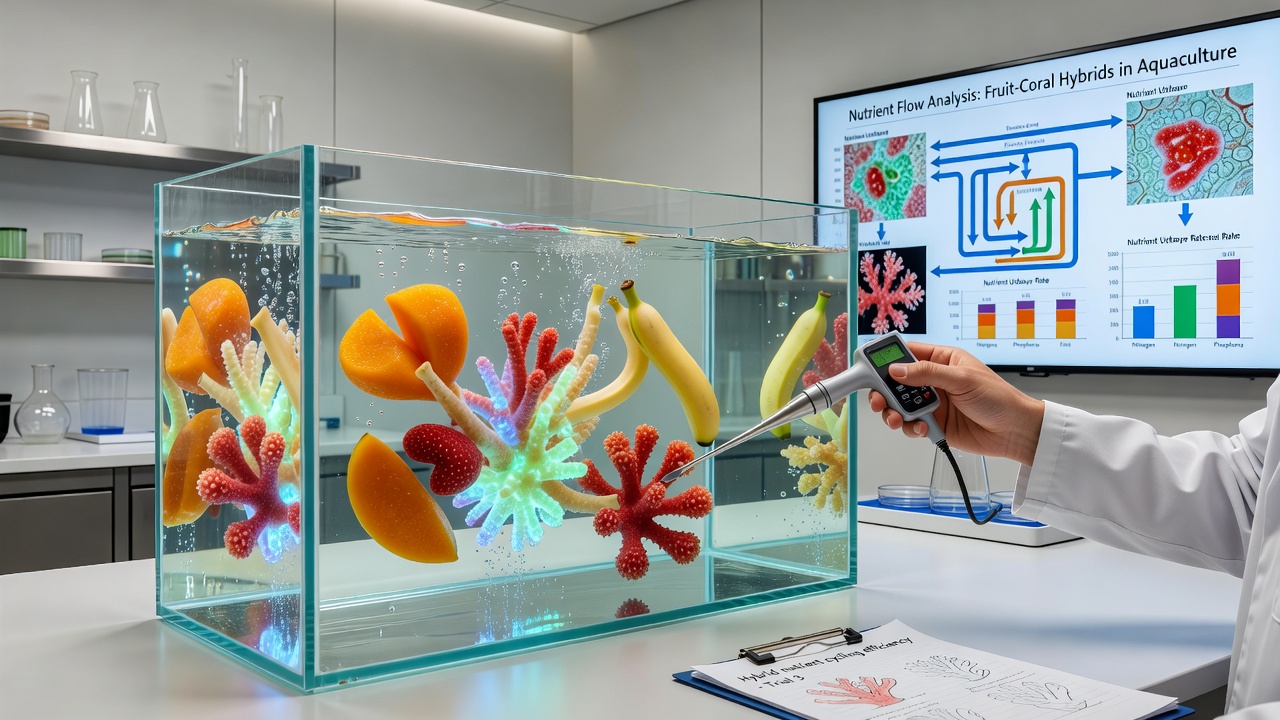
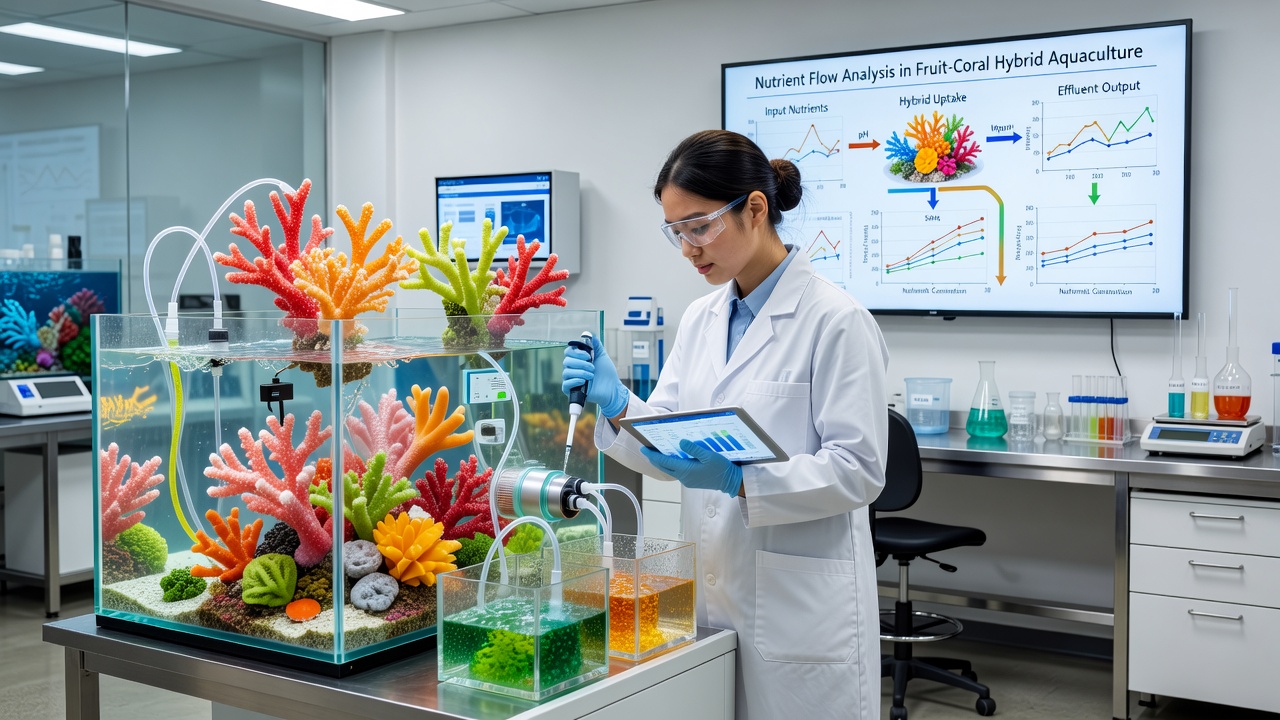
Researchers in coastal regions have begun tracking fruit-coral hybrids as they interact with water chemistry in contained aquaculture systems, where nutrient cycles depend on balanced inputs from feed, waste, and plant-like organisms. These hybrids combine traits from terrestrial fruit species and marine coral structures, creating forms that absorb nitrogen and phosphorus at rates different from traditional algae or filter feeders. Data collected across multiple test sites indicate shifts in dissolved oxygen levels and ammonia concentrations when hybrids occupy 15 to 30 percent of tank volume.
Understanding Nutrient Dynamics in Confined Systems
Small-scale aquaculture operations typically rely on closed or semi-closed loops where uneaten feed and fish waste release ammonia that bacteria convert to nitrite and nitrate. When fruit-coral hybrids are introduced, their calcified tissues and associated microbial communities accelerate nitrate uptake while releasing organic compounds that influence pH stability. Studies from facilities in Southeast Asia and the Mediterranean show reduced nitrate accumulation compared with control tanks lacking the hybrids, because the organisms sequester nutrients directly into structural growth rather than allowing them to remain in solution.
Operators note that hybrid placement matters, since positioning near inflow pipes maximizes contact with incoming nutrients while clusters near outflow points capture residual compounds before water exits the system. In October 2026, monitoring programs in several Pacific island nations recorded average nitrate reductions of 22 percent in hybrid-equipped ponds versus standard setups, according to preliminary reports shared by regional fisheries departments.
Mechanisms of Alteration by Hybrids
Fruit-coral hybrids alter flows through both direct uptake and indirect effects on bacterial populations. Their fruit-derived tissues provide carbon sources that stimulate denitrifying bacteria, which convert nitrate to nitrogen gas released into the atmosphere. At the same time, the coral-like skeleton traps particulate matter, preventing resuspension that would otherwise increase turbidity and stress aquatic species. This dual action creates steadier nutrient gradients across the water column, allowing fish and shellfish to experience more consistent water quality throughout daily cycles.
Observed Changes in Key Parameters
- Ammonia levels drop faster in the first 24 hours after feeding when hybrids cover at least 20 percent of available surface area
- Phosphate concentrations stabilize between 0.8 and 1.2 milligrams per liter rather than spiking above 2.0 milligrams
- Dissolved organic carbon rises modestly, supporting beneficial biofilm development on tank walls
One long-term trial conducted by a Canadian research station documented these patterns over 18 months, confirming that hybrid integration reduced the frequency of water exchanges needed to maintain safe parameters.
Implementation in Small-Scale Operations
Farmers managing systems under 500 square meters often integrate hybrids by attaching fragments to existing structures such as raft frames or tank liners. This approach avoids major redesigns while allowing gradual expansion as operators observe performance. In Australia, several family-run prawn farms reported that hybrid patches helped maintain salinity balance during heavy rainfall events, because the organisms continued nutrient processing even when freshwater inflows diluted tank conditions. European trials coordinated through research networks in Spain and Portugal have examined similar setups with seabass ponds, noting that hybrid surfaces encouraged settlement of beneficial copepods that further process organic waste.
Maintenance routines include periodic trimming of excess hybrid growth to prevent over-competition for light, along with checks for tissue damage that could release stored nutrients back into the water. These tasks fit within existing daily workflows without requiring specialized equipment beyond basic monitoring probes.
Data Trends and Geographic Variations
Global datasets compiled by the Food and Agriculture Organization highlight increasing adoption of hybrid-assisted systems in tropical and subtropical zones where water temperatures support year-round activity. FAO aquaculture statistics show that operations incorporating biological nutrient filters, including emerging hybrid types, achieve higher feed conversion ratios on average. In parallel, Australian research summaries indicate regional differences in hybrid performance tied to local water chemistry, with higher uptake efficiency in slightly alkaline conditions common to coral-adjacent coastlines.
Seasonal fluctuations appear in temperate locations, where cooler months slow hybrid metabolism and allow gradual nitrate buildup that operators offset through adjusted stocking densities rather than chemical treatments.
Conclusion
Fruit-coral hybrids continue to demonstrate measurable effects on nutrient cycling within small-scale aquaculture environments, with documented reductions in ammonia and nitrate alongside stable phosphate levels across multiple tested regions. Continued monitoring through 2026 and beyond will clarify long-term patterns as more operators adopt these organisms in varied climates and species combinations.